
Key Takeaways
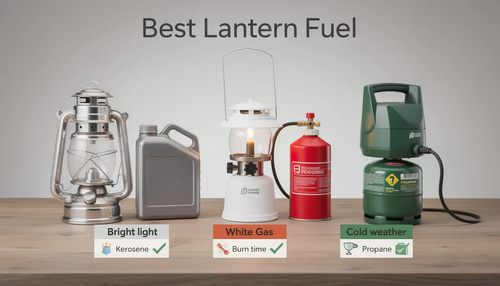
- “Lantern fuel” encompasses several distinct products including kerosene, white gas (Coleman fuel), lamp oil, propane, butane, and citronella blends—each designed for specific lantern types and conditions
- Using the wrong fuel (such as gasoline in a kerosene lantern or dyed diesel in wick lamps) is extremely flammable and dangerous, potentially causing fire hazards, equipment damage, or serious injury
- Most modern camp lanterns use either Coleman-type white gas or 16 oz propane cylinders, while traditional hurricane lanterns typically burn clear 1-K kerosene or high-flash lamp oil
- Price per unit varies widely by fuel type and package size—comparing per-gallon or per-fluid-ounce pricing before buying helps ensure you’re getting fair value
- Later sections cover fuel selection criteria, where to buy, safe storage practices, and when alternatives like LED lanterns might make more sense for your situation
What Is Lantern Fuel?
Lantern fuel refers to any combustible liquid or gas specifically formulated to power non-electric lanterns. This includes everything from classic kerosene hurricane lamps to pressurized camp lanterns and backyard torches. The key distinction is that lantern fuel is designed for controlled, sustained burning in a lighting device—unlike automotive fuels or industrial solvents that may technically ignite but aren’t safe or appropriate for lantern use.
“Lantern fuel” is a general term, not a single standardized product. Manufacturers label fuels differently depending on their intended application. You’ll encounter names like Coleman Fuel, 1-K kerosene, paraffin lamp oil, and citronella torch fuel on store shelves—each serving different lantern designs and use cases.
The main categories of lantern fuel include:
- Liquid petroleum fuels: Kerosene and white gas
- Compressed gases: Propane and butane in pressurized cylinders
- Specialty outdoor fuels: Citronella blends and plant-based torch oils
- Lamp oils: Refined paraffin-based oils for decorative indoor lamps
Each category has its own safety profile, burn characteristics, and ideal applications—such as fire blankets—that we’ll explore throughout this guide.
Common Types of Lantern Fuel
This section provides an overview of major fuel types but should not replace the manufacturer’s instructions printed on your lantern body or included in your product manual. Always consult documentation from brands like Coleman, TIKI, Crown, or Sunnyside before selecting and using any fuel.
Kerosene / 1-K Kerosene: The workhorse of traditional lantern fuels, kerosene has powered oil lanterns since the electrification era. Products like Crown 1-K and Sunnyside kerosene are sold in 1 gallon and 5 gallon formats at hardware stores and some gas stations. Clear, high-quality 1-K kerosene typically has flash points in the 124°F–150°F range. Kerosene generally provides 12-18 hours of burn time with full brightness output, making it ideal for extended use.
White Gas / Coleman Fuel: This clean burning fuel is a naphtha-based petroleum product commonly sold in 1 gallon cans at around $14–$20. White gas powers pressurized lanterns and stoves that use mantles rather than wicks. Coleman fuel excels in cold conditions and produces unmatched brightness, which is why serious campers prefer it for extended outdoor stays.
Lamp Oil / Liquid Paraffin: Clear, unscented lamp oils like Medallion brand, Florasense, and Genuine Aladdin oil are formulated specifically for decorative and indoor wick lamps. These products have flash points roughly between 140°F–145°F and burn cleaner with less soot than standard kerosene. They’re commonly sold in smaller bottles at a higher price per ounce.
Propane: The 16 oz Coleman-style green cylinders are ubiquitous at camping suppliers and big-box retailers like Walmart. Sold singly or in 2-packs, 4-packs, and bulk 12-packs, propane fuels Coleman propane lanterns, stoves, camping kettles, and portable heaters. Propane is easy to use since there’s no liquid fuel to handle, and the cylinders have an essentially indefinite shelf life when stored properly.
Butane and Isobutane Blends: come in 220g or 230g backpacking canisters and 8 oz cartridges from brands like Coleman, Kovea, Osmanthus, and Sterno. Butane is lightweight and compact, making it popular for backpacking stoves and some compact lanterns. However, butane may struggle significantly in colder temperatures—a critical limitation for winter camping.
Citronella and Mosquito-Repellent Torch Fuels: TIKI and Crown produce citronella and BiteFighter formulas typically sold in 50 oz, 64 oz, or 100 oz bottles. These serve a dual purpose: outdoor lighting and insect deterrent. Citronella fuels are specifically designed for patio torches and outdoor lanterns and should not be used indoor.
Other specialty fuels exist, including ethanol gel fire starters, solid cubes like FireDragon, and lighter fluid for Zippo-style lighters. These are generally not intended as primary lantern fuels unless the lantern is explicitly designed for them.
Matching Fuel to Lantern Type
Fuel choice must follow lantern design. Wick lanterns, mantle pressure lanterns, gas cartridge lanterns, and solar/LED units all have fundamentally different requirements. Using the wrong fuel type can void warranties, cause excessive soot, clog wicks or mantles, or create dangerous flare-ups.
Flat-Wick Hurricane Lanterns and Traditional Oil Lamps
These lanterns are typically designed for clear 1-K kerosene or high-flash lamp oil. Never use gasoline, diesel, or low-flash solvents like paint thinner—these can overheat the lantern or cause sudden flare-ups. Hurricane lanterns produced in the traditional flat-wick style rely on fuel that vaporizes at a controlled rate without excessive heat buildup.
Tubular Kerosene Lanterns
Classic farm or railroad-style lamps work best with non-dyed kerosene or approved kerosene substitutes like Klean-Strip Klean-Heat. Tubular lanterns offer a safety advantage: tipping one over cuts off oxygen flow to the burner and extinguishes the flame within seconds. This design feature doesn’t help if you’ve filled it with the wrong fuel.
Pressurized White-Gas Lanterns
Coleman dual-mantle models that specify Coleman Fuel or white gas must not be filled with kerosene or automotive gasoline unless the manufacturer explicitly allows it. Some dual-fuel models can use gasoline in emergencies, but this should be verified in the product manual before attempting. The process of vaporizing fuel, mixing it with air, and burning it to heat the mantle requires specific fuel characteristics.
Propane Lanterns
Use threaded 16 oz propane cylinders or refillable canisters like Flame King tanks. Never attempt to refill disposable cylinders without proper equipment and training—this creates serious explosion risks. Propane lanterns are popular because the fuel comes in a sealed bottle with no liquid handling required.
Butane / Isobutane Lanterns
These connect to backpacking-style screw-top canisters. Mixing brands is often possible if the threading standard matches, but always check the label before connecting. Butane lanterns shine on short trips in warm weather where weight is the primary concern.
Citronella and Patio Torches
These are designed specifically for outdoor citronella or plant-based blends like TIKI Clean Burn and BiteFighter. Some cotton-wick oil lamps can burn citronella when mixed 50:50 with approved lamp oil or kerosene, but this should be verified with your specific lamp’s documentation. Pure citronella typically requires dilution with a more volatile fuel to function effectively.
Lantern Fuel Pricing and Value
Prices fluctuate by retailer, brand, and package size, but examining current market examples provides a rough snapshot of how fuels are typically priced in the mid-2020s.
White Gas Pricing
Coleman white gas runs approximately $14.98 per gallon (about 11.7¢ per fluid ounce). This is a reasonable reference point for pressurized lantern fuel pricing. The product is widely available at outdoor retailers and is commonly stocked at major chains.
Propane Cylinder Pricing
Configuration | Price | Per Ounce |
|---|---|---|
Single 16 oz cylinder | ~$5.47 | ~34.2¢/oz |
2-pack | ~$9.87 | ~30.8¢/oz |
12-pack (bulk) | $100+ | Lower per-cylinder |
Bulk purchases offer meaningful savings for frequent users, but order only what you can safely store.
Citronella and Torch Fuel Pricing
TIKI 100 oz bottles typically run in the high teens to low twenties, while 64 oz citronella options hover around the mid-$20s. Plant-based Clean Burn fuels often command a premium per fluid ounce in exchange for cleaner burning with less soot.
Premium Lamp Oils and Lighter Fluids
Brands like Ronson, Zippo, NEON, Colibri, and XIKAR offer ultra-refined fuels at higher per-ounce prices. These products contain fewer impurities, resulting in cleaner burning and reduced odor—worth considering for indoor decorative lamps where air quality matters.
Always use unit pricing (per gallon, per fluid ounce, per ounce, per gram) to compare value fairly. The largest container isn’t always the best deal, and the cheapest upfront price may cost more long-term.
Safety, Flash Point, and Fuel Quality
Flash point—the lowest temperature at which fuel vapors can ignite—is the critical safety parameter for lantern fuel selection. Higher flash points are strongly preferred for non-pressurized wick lanterns and indoor use because they reduce the risk of accidental ignition and runaway flames.
Safe Flash Point Ranges
Lamp oils and kerosene substitutes used in cotton-wick lamps should have flash points around 140°F–145°F. Products like Medallion lamp oil, Klean-Heat, Genuine Aladdin oil, and many citronella blends fall within this range. For traditional wick lanterns, the minimum recommended flash point is 124 degrees Fahrenheit. Coleman brand kerosene specifically has a flash point of 130°F, meeting this safety standard.
Dangerous Fuels to Avoid
The following fuels must never be used in wick-based oil lamps and lanterns:
- Gasoline: Extremely flammable with very low flash point
- White gas/Coleman Fuel: Safe only in pressurized lanterns designed for it
- Paint thinner: Flash point below safe range
- Mineral spirits: Dangerous with flash points below 124°F
- Naphtha: Only for specific pressurized appliances
- Turpentine: Too volatile for wick lanterns
- Benzene: Toxic and dangerously flammable
- Aviation fuel and diesel: Fuel additives in these products can be fatal if inhaled
Using any of these in a wick lantern can cause vapor lock, runaway flames, or “blowtorch” effects that cannot be controlled.
Why Purity Matters
Fuel purity significantly affects both performance and safety. Dyes, scents, and additives can:
- Clog wicks and reduce fuel flow
- Cause excessive smoking and soot buildup
- Deposit residue on glass chimneys
- Create hazardous fumes
Clear, unscented fuels from reputable brands generally burn cleaner and safer. The confusion around “paraffin oil” in the U.S. (which often contains candle wax additives) can cause problems—waxy fuels clog wicks, and once wick fibers are contaminated, they typically need full replacement.
Practical Safety Checklist
When working with lantern fuel:
- Ventilate indoor areas when burning any fuel
- Keep fuel containers sealed and clearly labeled
- Store away from heat sources, open flames, and direct sunlight
- Never refuel a hot lantern—wait for complete cooling
- Keep a bucket or sand nearby to cut off oxygen in case of uncontrolled flame
- Never use water on a fuel fire
Lantern Fuel Storage, Shelf Life, and Handling
Proper storage extends fuel life, maintains performance, and minimizes fire and health risks—especially important when stocking larger quantities like 5-gallon kerosene cans or multi-pack propane purchases.
Storage Conditions
- Location: Cool, dry, well-ventilated areas away from open flames, furnaces, water heaters, and direct sunlight
- Position: Store liquid fuel containers upright with secure caps
- Separation: Keep fuels away from oxidizers and ignition sources
- Temperature: Avoid extreme heat that could increase pressure in sealed containers
Signs of Fuel Going Bad
Watch for:
- Cloudiness or visible particles
- Water contamination (separation)
- Strong sour or varnish-like smells
- Poor burning behavior (difficulty lighting, heavy smoke, uneven flame)
If fuel shows these signs, dispose of it properly rather than risk lantern damage or safety issues.
Handling Procedures
- Always extinguish and cool lanterns completely before refueling
- Use funnels or spouts to avoid spills
- Work in well-ventilated areas, preferably outdoor
- Wipe up any spills immediately
- Dispose of fuel-soaked rags properly in sealed metal containers to avoid spontaneous combustion
- Never fill a lantern to the absolute top—leave room for fuel expansion
Disposal Regulations
Disposal of old fuel, empty cylinders, and contaminated wicks may be regulated by your municipality. Check local hazardous-waste rules before throwing fuel-related items in standard trash. Many communities offer periodic collection events for household hazardous waste.
Alternatives to Traditional Lantern Fuel
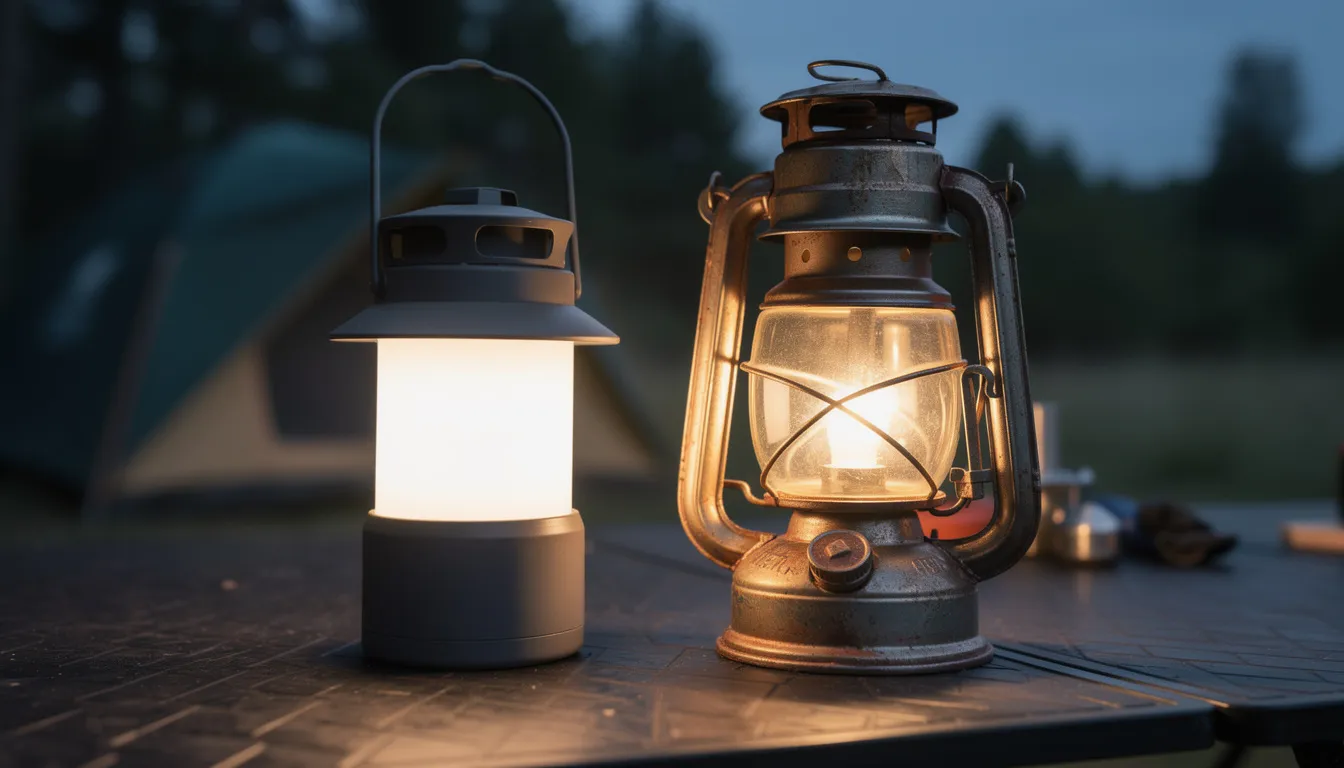
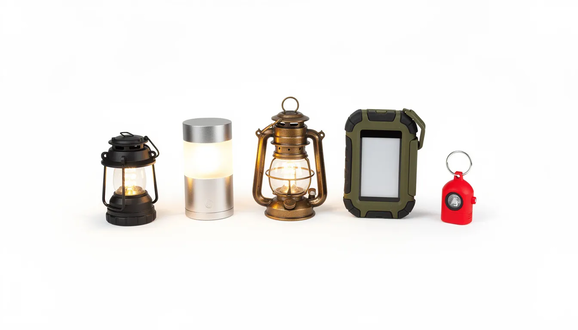
While liquid and gas fuels are traditional, many users now mix fuel lanterns with modern alternatives for safety, convenience, or environmental reasons. Understanding these options helps you build a versatile lighting setup.
Battery-Powered LED Lanterns
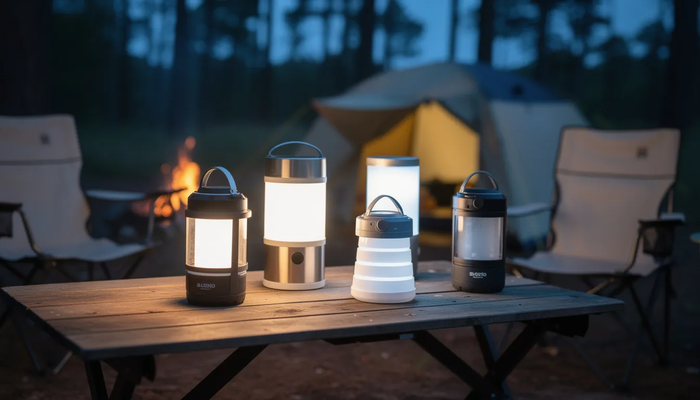
LED lanterns have switched many campers away from traditional fuel options. Popular models include NEBO Retro (100 lumen), Bell + Howell TacLight (600 lumen options), and BullDog water- and shock-resistant units. These provide zero-fuel, low-maintenance lighting that’s safe inside tents and around children.
Advantages:
- No combustion byproducts
- Safe in enclosed spaces
- Easy to use
- Often feature adjusting brightness levels
Limitations:
- Require charged batteries or fresh cells
- Limited runtime at high brightness
- May fail when you can’t easily recharge
Rechargeable and Solar LED Lanterns
These reduce ongoing fuel costs but rely on access to electricity or sunlight. Solar-integrated camping lanterns can work well for weekend trips but may not provide reliable lighting during extended cloudy periods or true emergencies.
Solid and Gel Fuels
Ethanol gel fire starters and FireDragon solid cubes serve niche purposes for specific stoves and fire pits. These are generally not suitable as general-purpose lantern fuels unless your equipment is explicitly designed for them.
The Hybrid Approach
The recommended strategy for most households: keep at least one fuel lantern and a supply of approved fuel for long emergencies where electricity may be unavailable for days or weeks. Supplement with LED lanterns for everyday camping convenience and indoor-safe lighting.
This combination gives you the reliability of fuel-based lighting when it matters most while enjoying the safety and convenience of battery power for routine use.
FAQ
This section answers practical questions that may not be fully covered in the main article sections above.
Can I use gasoline in a kerosene or oil lantern?
Gasoline (including automotive gas and most white gas products) must never be used in wick-based kerosene or lamp-oil lanterns. Gasoline’s low flash point and high vapor pressure can cause uncontrolled flames, explosions, and severe injury. Only lanterns explicitly designed for gasoline or white gas—typically pressurized Coleman-type models specifically labeled for such fuels—should ever use these products. Even then, carefully follow manufacturer instructions. Using gasoline in a lamp designed for kerosene will likely permanently damage the wick and burner assembly, and the results can be fatal.
Is it safe to burn citronella torch fuel inside a house or tent?
Citronella torch fuels (like TIKI and Crown blends sold in 50 oz–100 oz bottles) are formulated for outdoor use only. They should not be burned indoors or in enclosed spaces such as tents. These fuels produce noticeable odor, smoke, and soot that quickly degrades indoor air quality. For indoor flame lighting, use high-flash, clear lamp oil or kerosene explicitly approved for indoor lamps, and ensure adequate ventilation at all times.
Can I mix different brands of kerosene or lamp oil?
Mixing clear, high-quality 1-K kerosenes from reputable brands is generally safe if they’re all labeled 1-K and intended for the same type of heater or lantern. However, use caution when mixing lamp oils and citronella fuels—many lamp experts recommend limiting citronella content to about 50% or less in cotton-wick lamps to avoid soot and wick clogging. Never mix unknown fuels, dyed fuels, or fuels with very different flash points. Never combine gasoline-based products with kerosene or lamp oil.
How many hours will a gallon of lantern fuel last?
Runtime depends on lantern type, brightness setting, and fuel type. A typical flat-wick hurricane lantern on low to medium setting may burn 1–2 ounces of kerosene or lamp oil per hour, so a gallon (128 oz) can provide roughly 60–120 hours of light. Pressure lanterns running white gas at high output consume more fuel per hour but produce far more brightness—expect 6–10 hours per tank for many classic camping lanterns. Consult your lantern’s manual for specific consumption rates and test runtimes at home before relying on them for emergencies.
What should I do with old or unwanted lantern fuel?
Old fuel should never be poured down drains, onto the ground, or into standard trash because of fire and environmental risks. Contact your local waste authority or recycling center to ask about household hazardous waste collection days that accept fuels like kerosene, white gas, propane cylinders, and lighter fluid. Some automotive shops or municipal facilities accept small quantities of old fuel for proper disposal, but policies vary by city and state—local guidance on this page of your community’s website is essential.
Member discussion