
Introduction
A first aid medical kit is an indispensable resource for anyone aiming to be prepared for unexpected injuries or emergencies. Having accessible information and clear instructions is crucial to help users effectively utilize their first aid medical kits.
This page is designed for families, outdoor enthusiasts, workplace safety officers, and anyone interested in safety and preparedness with medical kits. Here, you’ll learn what a first aid kit is, why it matters, and how to choose or assemble the right kit tailored to your specific needs. We’ll guide you through essential first aid procedures, common emergency scenarios, and the must-have supplies to handle injuries effectively. Additionally, you’ll discover how to customize kits for different environments and best practices for organizing, storing, and maintaining your kit. For those planning travel or outdoor adventures, having a kit that can sustain you for multiple days away from medical facilities is vital. Comprehensive first aid medical kits include a wide array of products to ensure readiness for various situations. By the end of this guide, you’ll be confident in responding to emergencies and keeping your kit ready when it matters most. Understanding first aid kits is essential because immediate care can stabilize injuries and prevent conditions from worsening until professional help arrives.
Key Takeaways
- A first aid medical kit allows for rapid treatment of cuts, burns, sprains, allergic reactions, and severe bleeding before professional help arrives, bridging critical minutes that can determine outcomes.
- Every home, car, and travel bag should have a dedicated first aid kit. Though these kits may go years without use, it’s important to check and restock them at least twice a year—mark your calendar for January and July—to ensure all supplies remain valid and ready.
- Kits should be tailored to specific environments: different contents are ideal for home, car, hiking, workplace, children, and pets.
- High-risk activities involving power tools, rock climbing, or remote camping require trauma items such as tourniquets and hemostatic dressings.
- Training and familiarity with your kit’s contents are just as important as having the right supplies—practice reduces panic during real emergencies.
What Is a First Aid Medical Kit and Why You Need One
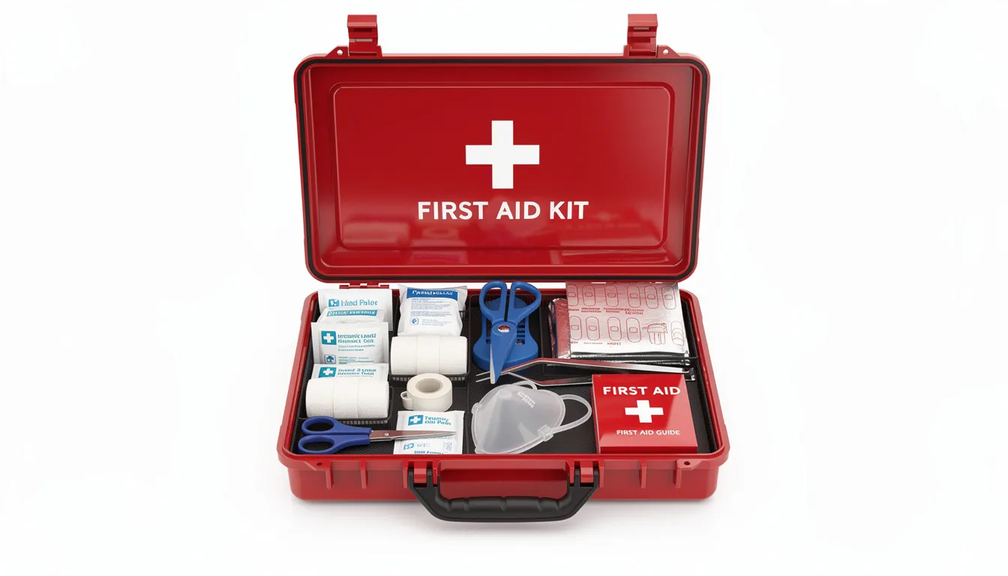
A first aid medical kit is a carefully curated collection of medical supplies, tools, and instructions designed to provide immediate, short-term care for injuries and sudden illnesses until professional help arrives. Modern medical kits are comprehensive and well-organized, featuring clear permanent labels and multiple compartments for easy access. Essentially, a first aid kit contains supplies to manage common injuries and emergencies, such as:
- Cuts
- Scrapes
- Burns
- Sprains
- Allergic reactions
- And more
A well-stocked kit typically includes items like:
- Bandages (various sizes)
- Sterile gauze
- Medical tape
- Antiseptic wipes
- Non-latex gloves
- Scissors
- Tweezers
Many first aid kits also offer extra space for additional items, enabling customization based on your personal needs.
Think of it as your personal lifeline between an incident and the arrival of emergency services—a lifeline that can make all the difference when every minute counts. Regularly checking and replenishing your kit ensures it’s always ready for use. Including a first aid guide and emergency contact information is also essential.
When you call for an ambulance, response times can vary from 10 to 20 minutes or longer depending on location, traffic, and demand. In remote areas or during natural disasters, the wait may extend to hours. Your kit bridges that gap, allowing you to control bleeding, clean wounds, manage pain, and stabilize someone in distress while help is on the way.
Consider everyday scenarios where a kit proves invaluable:
- A kitchen knife slips and cuts your finger while preparing dinner.
- Your child falls at the playground and scrapes both knees.
- Someone at a barbecue touches a hot grill and suffers a minor burn.
- A family member experiences a sudden allergic reaction to an insect bite.
- A weekend sports game results in a sprained ankle or bloody nose.
Customers consistently praise the Surviveware first aid kit for being comprehensive and well-organized, with clear permanent labels and multiple compartments that make everything easy to find and accessible. They value its neat layout, rugged construction, and organization tailored to specific injury needs. Many highlight the great value for money, quality products, and thoughtful design that help during emergencies.
In more serious situations—such as heavy bleeding from a power tool accident, suspected heart attack symptoms, or anaphylaxis from a bee sting—having the right items and knowing how to use them can save lives. This is why safety organizations like the American Red Cross recommend keeping multiple kits: one at home, one in each vehicle, and one in your go-bag for emergencies or travel.
Choosing the Right Aid Kit
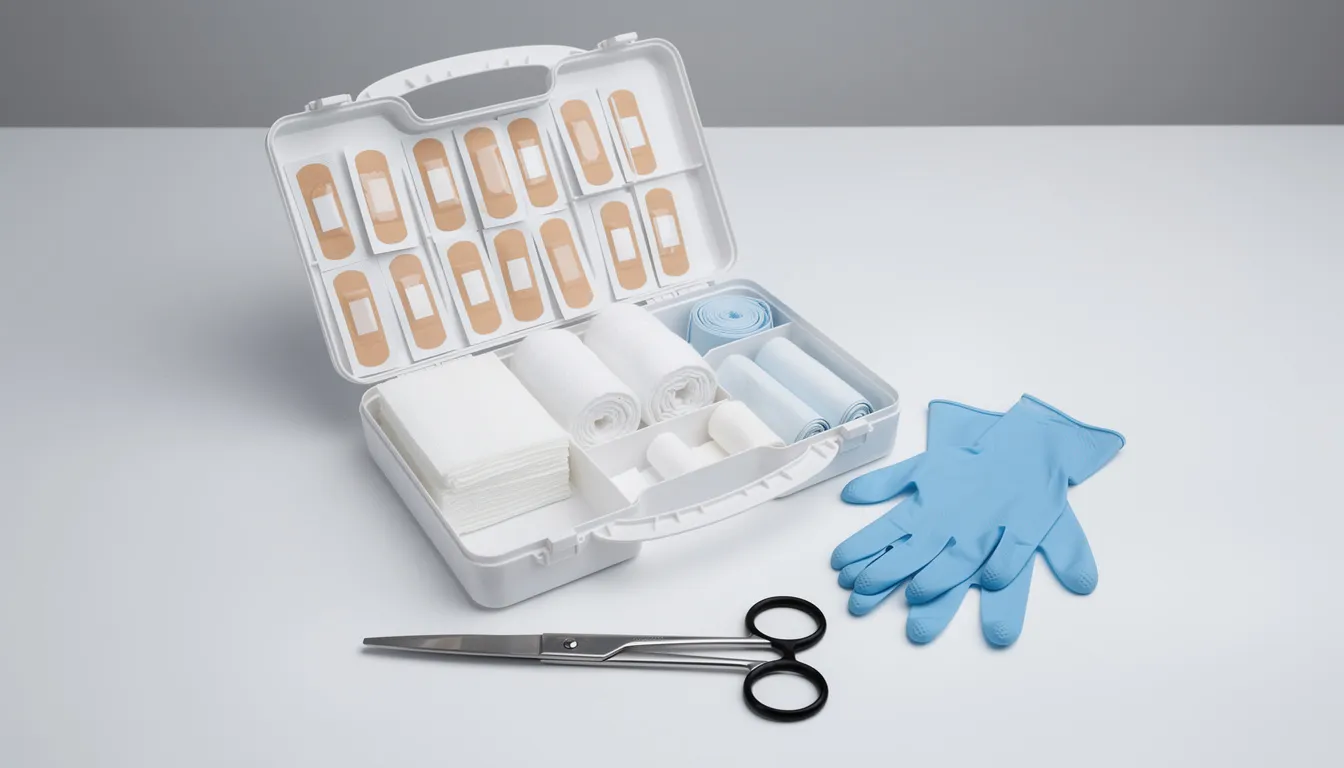
Selecting the right first aid kit means matching your supplies to your lifestyle and adventures. Whether you’re planning a weekend camping trip, a long backpacking journey, or simply want to keep your car or home prepared, the right kit can make all the difference in an emergency. Look for a complete kit that includes essential aid supplies like bandages, gauze, tweezers, and instant cold packs. A compact, durable, and waterproof kit is ideal for travel and outdoor activities, ensuring your supplies stay protected and organized wherever you go.
Consider the number of people in your group and the length of your adventure—more people or longer trips require extra supplies. For car travel, choose a kit that fits easily in your glove compartment or trunk but still contains everything needed for roadside emergencies. At home, a larger kit stored in an accessible location allows quick response to everyday injuries.
Don’t forget to check expiration dates on medications and replace items as needed to keep your kit current. By choosing the right aid kit for your needs, you’ll have peace of mind knowing you’re prepared for any situation—whether at home, on the road, or in the wild.
Essential Contents of a Basic First Aid Medical Kit
This baseline list represents what a typical home or car kit should contain in 2025. Whether you buy a pre-made complete kit or build your own, these first aid supplies form the foundation for handling most common injuries and minor medical situations. Including these essentials is crucial for survival in emergencies, as a well-organized first aid medical kit supports preparedness for a wide range of scenarios, from outdoor adventures to natural disasters.
Wound Care Supplies
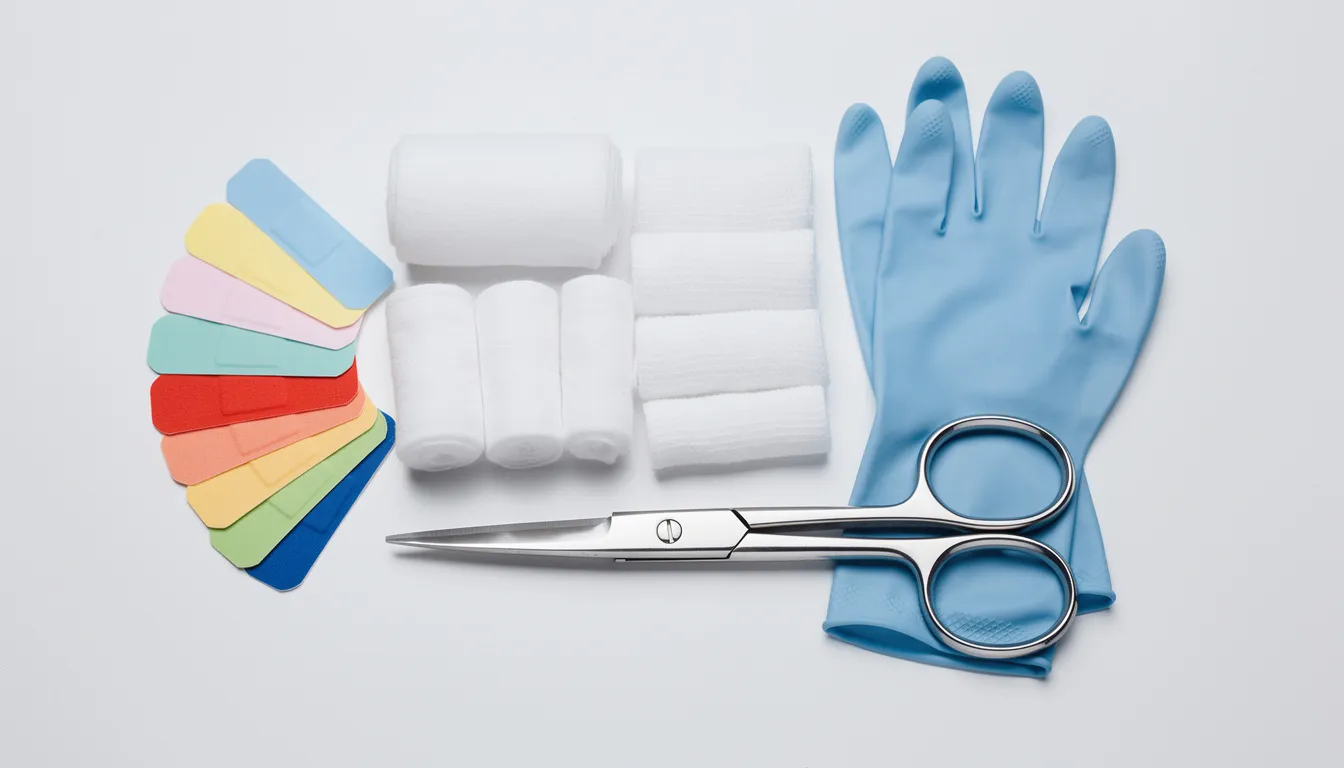
- Adhesive bandages: At least 20 assorted sizes, including fabric varieties that adhere well during movement and sweat.
- Sterile gauze pads: Five 5×5 cm and five 10×10 cm pads for covering larger wounds.
- Adhesive tape: One or two rolls of medical tape (hypoallergenic options available).
- Rolled gauze: Two rolls in 7.5 cm and 10 cm widths for securing dressings.
- Large trauma dressing: At least one compress dressing for significant wounds.
Blister and Burn Care
Blisters and burns are common injuries during outdoor adventures, and having the right supplies can greatly aid recovery. Your aid kit should include moleskin for blister prevention and treatment, aloe vera gel, and burn cream to soothe and protect skin. Proper wound cleaning is essential—use antiseptic wipes before applying dressings to reduce infection risk.
Triangular bandages and medical tape are versatile tools to secure bandages or create makeshift slings if needed. Equipping your first aid kit with these specialized supplies and knowing how to use them prepares you to help yourself or others get back to the adventure safely.
Cleaning and Antiseptic Items
- Alcohol wipes: 10-15 individually wrapped wipes for cleaning skin around wounds.
- Povidone-iodine or chlorhexidine wipes: 5-10 antiseptic wipes for wound disinfection.
- Saline solution: Small bottles or ampoules for rinsing debris from eyes or wounds.
- Alcohol-free hand sanitizer: One small bottle for cleaning hands before treatment.
Tools and Instruments
- Metal tweezers: For removing splinters, debris, and ticks.
- Trauma shears or medical scissors: Rounded-tip scissors for safely cutting tape, gauze, or clothing.
- Safety pins: Assorted sizes for securing triangular bandages and slings.
- Digital thermometer: Non-mercury, non-glass design for checking fever.
- Small flashlight: With spare batteries for examining injuries in low light.
Over-the-Counter Medications
Always read labels and follow local regulations regarding medication storage:
- Pain relievers: Paracetamol (Tylenol) and ibuprofen (Advil) for pain and fever.
- Aspirin: 81 mg tablets specifically for adult chest pain (not for children).
- Antihistamine tablets: For mild allergic reactions, insect stings, and rashes.
- Anti-diarrheal tablets: Loperamide for sudden gastrointestinal issues.
- Oral rehydration salts: Packets for treating dehydration from illness or heat.
- Antacid tablets: For heartburn or indigestion relief.
Comfort and Support Items
- Triangular bandages: Two for arm slings, head bandages, or securing splints.
- Elastic bandage: One or two rolls for wrapping sprains and strains.
- Instant cold packs: Two or three for reducing swelling from injuries.
- Non-latex gloves: At least two pairs of nitrile gloves to protect yourself and prevent infection.
- CPR breathing barrier: Face shield with a one-way valve for safe rescue breathing.
Customizing Your First Aid Kit
Every adventure and household is unique, so your first aid kit should be too. Customizing your kit ensures you have the right supplies for your specific needs and situations. Start by adding over-the-counter medications like aspirin, Tylenol, and ibuprofen to manage pain, headaches, or fever. If anyone in your group has allergies or chronic conditions, include necessary medications or medical equipment.
Consider the environments you’ll be in—add a cellphone for emergency contact, water purification tablets for remote hikes, or a small flashlight for low-light situations. You can also add extra bandages, gauze, or instant cold packs based on your planned activities. By tailoring your kit, you’ll be better prepared to handle emergencies, big or small.
Specialized Kits for Different Situations
No single kit fits everyone. The contents you need depend entirely on where the kit will be stored and how it might be used. For multi-day adventures, travel, or work situations, it’s crucial to have a medical kit that is well-stocked and organized to ensure preparedness for several days away from medical facilities. Specialized medical kits are designed for specific environments and may include a broader range of products for survival and emergency preparedness. Understanding these differences helps you prepare for the specific risks in your life, especially in outdoor or remote scenarios where durable, well-organized kits are essential for survival.
Home Kit Essentials
Your home first aid kit should address the most common household injuries:
- Extra adhesive bandages in various sizes for frequent cuts and scrapes.
- Burn gel or specialized burn dressings for kitchen accidents—a common injury when cooking.
- Digital thermometer for monitoring fevers, especially important with young children.
- Children’s dose pain relievers (liquid formulations) if kids are present.
- Printed list of emergency phone numbers (poison control, family doctor, local hospital) taped inside the kit lid.
- Hydrocortisone 1% cream for insect bites and contact dermatitis.
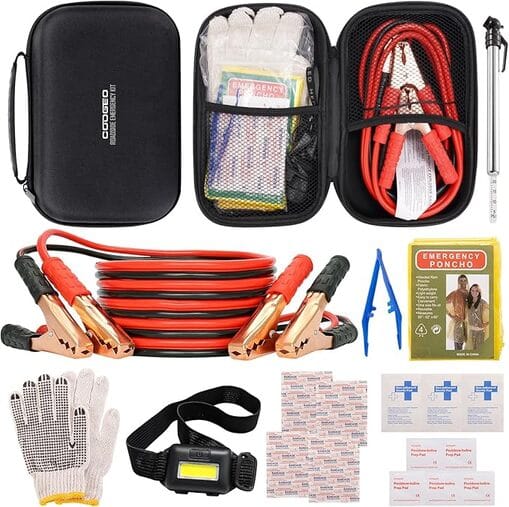
Car Kit Priorities
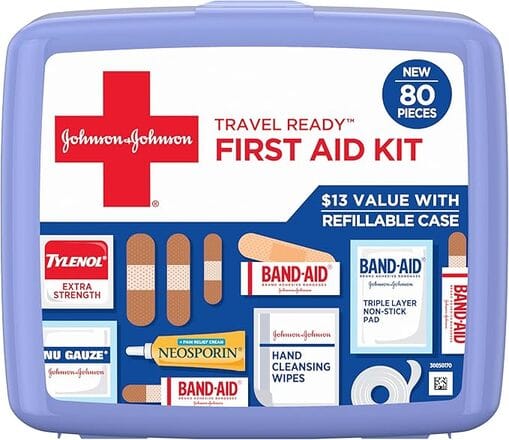
A car kit must address both medical needs and roadside safety:
- High-visibility items stored alongside the medical kit: reflective safety vest and warning triangle.
- Extra trauma dressings and rolled gauze for potentially serious road accident injuries.
- Foil emergency blanket to prevent hypothermia while waiting for help.
- Small fire extinguisher stored separately in the vehicle, not inside the soft kit.
- Compact flashlight with extra batteries for nighttime emergencies.
- Waterproof bag or durable case that withstands temperature extremes in a trunk or glove compartment.
Hiking and Camping Kit Adaptations
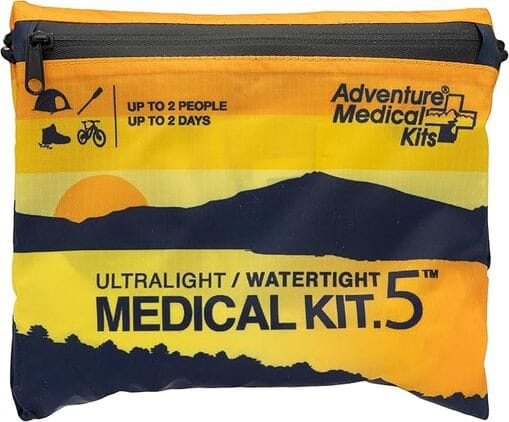
Outdoor adventure kits for backpacking or remote camping require lightweight, waterproof packaging:
- Blister treatment supplies: hydrocolloid plasters, moleskin, and medical tape for foot care.
- Insect bite relief cream or wipes for inevitable encounters with bugs outdoors.
- Water-purification tablets as backup when clean water isn’t available.
Waterproof and Ultralight First Aid Kit
For backpacking, hiking, or exploring the outdoors, a waterproof and ultralight first aid kit is essential. Choose a kit made from durable, waterproof materials to protect supplies from rain, river crossings, or spills. Multiple compartments help keep aid supplies organized and accessible, even in challenging conditions.
Look for a kit that includes lightweight essentials like bandages, gauze, tweezers, instant cold packs, and medical tape. The goal is to keep your pack light without sacrificing safety. With a waterproof and ultralight kit, you’ll have peace of mind knowing you’re prepared for injuries or emergencies, no matter how far you roam.
Tactical First Aid Kits and Aid Supplies
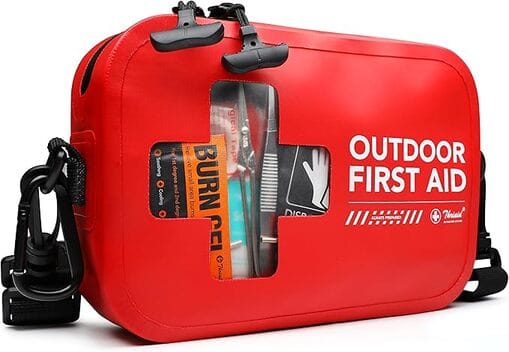
For remote or high-risk environments, a tactical first aid kit offers advanced protection for serious injuries. These kits are designed for emergencies where professional help may be far away, making them essential for outdoor professionals, search and rescue teams, or anyone tackling challenging adventures.
Tactical kits go beyond basic supplies, including trauma items like tourniquets, hemostatic agents (such as QuikClot), and chest seals to control severe bleeding and manage life-threatening injuries. Equipping your kit with these specialized aid supplies prepares you to help in critical situations and potentially save lives. Whether climbing, skiing, or exploring remote areas, a tactical first aid kit ensures you’re ready for whatever comes your way.


Member discussion